

intermittent fasting, backed by science

Dr Krista Varady, PhD, is a leading scientist in the field of nutrition, best known for her pioneering work on intermittent fasting. As a professor of nutrition at the University of Illinois Chicago, she has spent over two decades studying how simple changes in when we eat—not just what we eat—can have powerful effects on body weight, metabolism, and overall health.

Meet Dr Krista
Hi, my I’m Dr Krista Varady, and I started studying intermittent fasting because I wanted to find a weight-loss approach that people could realistically stick with. Traditional diets often require people to count calories every day, and I saw how difficult that could be to maintain. I was curious whether eating less on certain days instead of every day could produce similar—or even better—health benefits. That question led me to spend more than 20 years researching intermittent fasting and how it affects body weight, metabolism, and overall health.
As Seen on
Dr. Krista has become one of the most recognized voices in intermittent fasting, with her groundbreaking research featured by media outlets around the world.











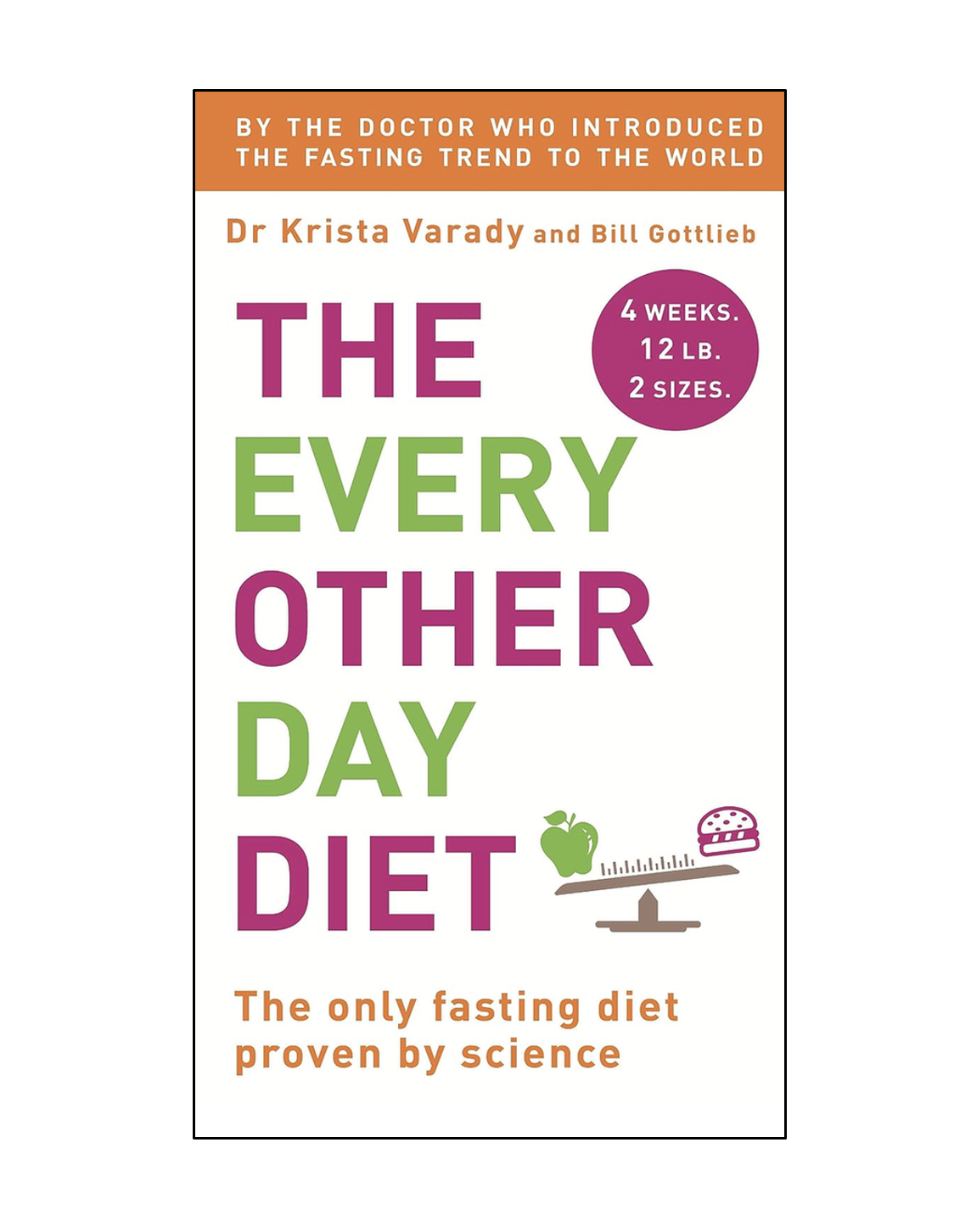
THE EVERY OTHER DAY DIET
The Every Other Day Diet offers a research-backed approach to losing weight without giving up the foods you love. Based on Dr. Krista Varady’s pioneering research in alternate-day fasting, the book shows how eating just 500 calories every other day can help you lose weight, improve your health, and achieve lasting results—without the deprivation of traditional diets.
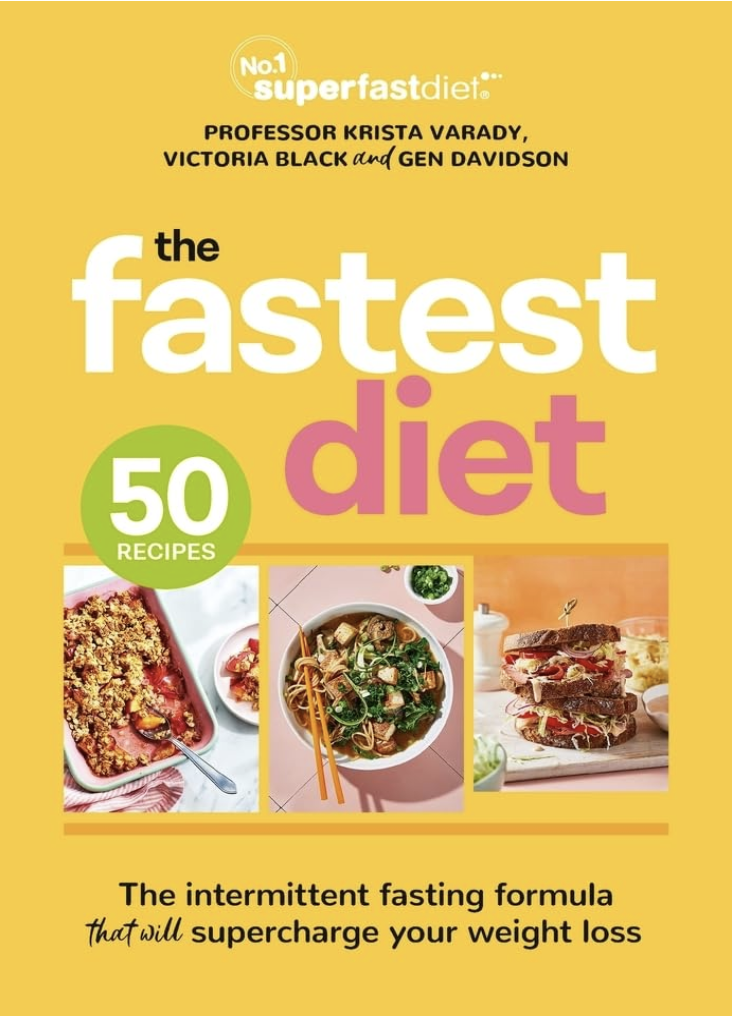
THE fastest DIET
Dr Krista Varady teams up with the world's largest online fasting network, SuperFastDiet, to show you how to supercharge your weight loss and dramatically improve your health. The book contains 60 delicious recipes and clear-eyed advice on how to make this remarkable diet part of your everyday life. Fun, informative and effective, this is the go-to diet for fast and sustainable weight loss and a pathway to glowing good health.

Your FASTING Questions, Answered
-
Intermittent fasting is a way of eating that alternates between set periods of eating and fasting. There are three main types: alternate-day fasting, the 5:2 diet, and time-restricted eating.
Alternate-day fasting involves alternating between days of normal eating and days of eating very little or not at all.
The 5:2 diet allows normal eating on five days of the week while limiting calorie intake on two non-consecutive days.
Time-restricted eating (16:8) limits food intake to a specific window of time each day, such as eating only between noon and 8 p.m., with fasting during the remaining hours.
The main difference between these approaches is whether fasting is done every other day, on two days each week, or for a set number of hours each day.
-
Research suggests it’s about as effective as traditional calorie-restriction diets for weight loss. Some people prefer it because it doesn’t require daily calorie tracking.
-
Research suggests that intermittent fasting can be an effective strategy for weight loss, primarily because it helps many people reduce their overall calorie intake. Studies have found that intermittent fasting can produce modest weight loss (~5-20 pounds) that is comparable to traditional daily calorie restriction, particularly when it is followed consistently.
-
Intermittent fasting works primarily by helping people reduce their overall food intake. By limiting the times or days when eating is allowed, many people naturally consume ~200-500 fewer calories per day, creating an energy (calorie) deficit. When the body consistently uses more energy than it takes in, it begins to use stored body fat for fuel, leading to weight loss over time.
-
During the fasting window, foods and calorie-containing beverages are generally avoided.
Most intermittent fasting plans allow water, plain black coffee, unsweetened tea, and other non-caloric drinks, which can help maintain hydration and reduce hunger. Diet sodas are allowed in moderation.
Avoid adding sugar, cream, or milk to beverages if you want to maintain the fast, as these provide calories and may end the fasting period.
-
During the eating window, the goal is to consume balanced, nutrient-dense meals that support overall health. Meals should include lean proteins, whole grains, fruits, vegetables, healthy fats, and dairy or fortified alternatives as appropriate. Choosing high-fiber foods and staying well hydrated can help promote fullness and provide essential nutrients. While no foods are strictly off-limits in most intermittent fasting plans, limiting highly processed foods, sugary drinks, and excessive portions can help maximize the potential health benefits.
-
Yes, many people can exercise safely while practicing intermittent fasting. Light to moderate activities such as walking, yoga, or cycling are generally well tolerated during fasting periods, while more intense workouts may be easier during or shortly after an eating window when energy levels are higher.
Staying well hydrated, eating balanced meals that include protein and carbohydrates during eating periods, and listening to your body's signals are important. If you experience dizziness, weakness, or feel unwell during exercise, stop the activity and consider adjusting your fasting or workout schedule.
-
Fasting isn’t suitable for everyone. It’s generally not recommended for children under 12 or individuals with a history of eating disorders. Women who are pregnant or breastfeeding should consult their doctor before starting a fasting plan.
Fasting can be safe for some people with diabetes, as long as they work closely with their doctors. Monitoring blood sugar, adjusting medications (particularly insulin and sulfonylureas), and staying aware of warning signs are important for reducing risks.
-
Common side effects of intermittent fasting are usually mild and tend to improve as the body adjusts. They may include hunger, headaches, fatigue, irritability, difficulty concentrating, dizziness, and low energy, especially during the first few weeks. Some people also experience constipation or dehydration if they do not consume enough fluids or fiber during eating periods.
Individuals with certain medical conditions, those who are pregnant or breastfeeding, or anyone taking medications that affect blood sugar should consult a healthcare provider before starting intermittent fasting.